Address
Miami Florida, 3475 Sheridan St, Hollywood, Florida, 33021
Make a Call
(877)-238-0307
Mon - Sat: 09am - 09pm
Address
Miami Florida, 3475 Sheridan St, Hollywood, Florida, 33021
Make a Call
(877)-238-0307
Mon - Sat: 09am - 09pm

Updated: August 15, 2026 • Reading time: ~12–15 minutes
Ready to buy? Start here:
Securing a U.S. mortgage for Canadians in Florida is easier than it looks—especially in Miami, where lenders, agents, and service providers work with Canadian buyers every day. In this 2026 guide, you’ll learn exactly how to prepare your financing, how Florida condo rules affect approvals, which documents you need, and how to close on time with minimal stress. We’ll keep the language plain and action‑oriented so your U.S. mortgage for Canadians in Florida plan turns into keys in hand.
Follow these steps and you’re 80% of the way to a successful U.S. mortgage for Canadians in Florida outcome.
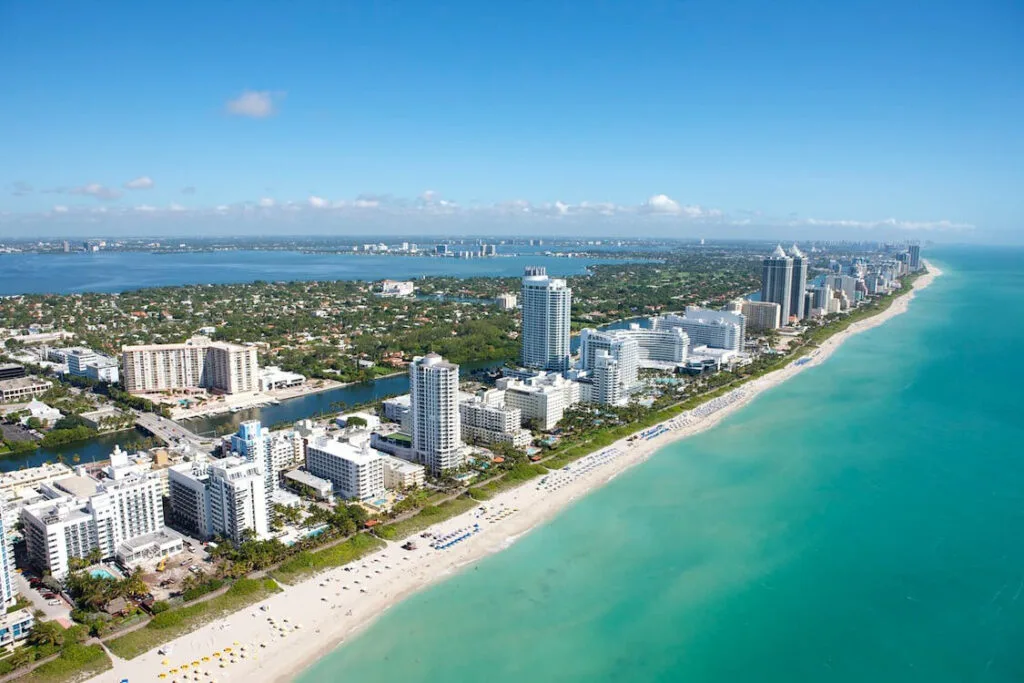
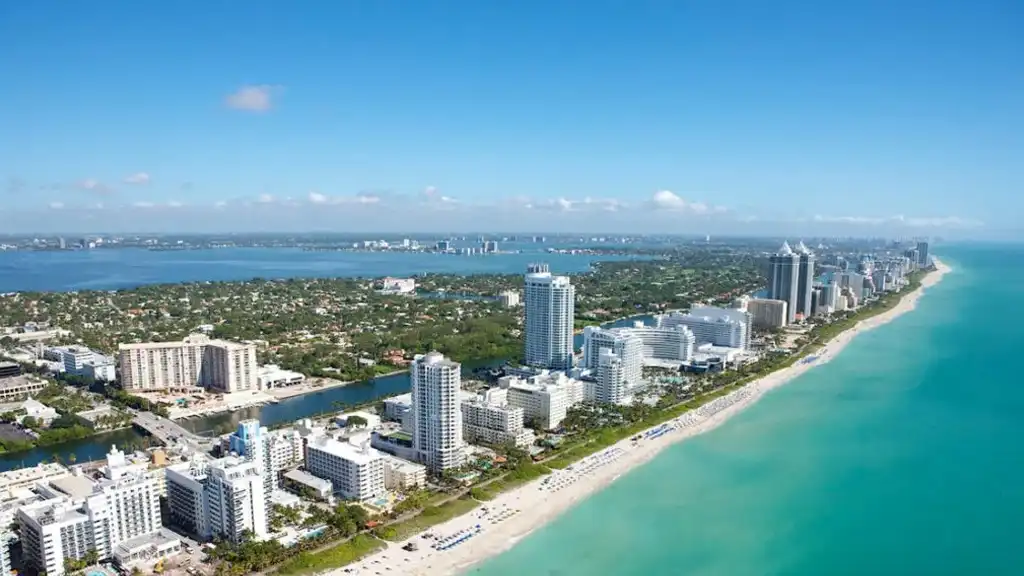
Miami blends lifestyle and investment: world‑class dining, beaches, arts, and a deep condo inventory across neighborhoods like Brickell, Edgewater, Downtown, Sunny Isles, and Aventura. Direct flights from Toronto, Montreal, and Vancouver make short stays realistic, while professional support—real estate, accounting, and property management—lets Canadians own remotely with confidence.
In 2026, lenders continue to welcome qualified foreign nationals, and cross‑border programs designed for Canadians have matured. That combination is excellent news for any buyer planning a U.S. mortgage for Canadians in Florida, particularly in Miami where building‑level data and condo documentation are more readily available for underwriting.
A U.S. mortgage for Canadians in Florida is a loan secured by Florida real estate and underwritten in the United States, often through a lender with cross‑border expertise. The most common occupancy types are:
Cross‑border programs evaluate your Canadian income, credit, and assets and map them to U.S. underwriting. That’s why selecting the right lender is foundational to any U.S. mortgage for Canadians in Florida plan.
Specialized lenders can review your Canadian credit and verify Canadian income. Your file should show stable employment or business income, clean payment history, and a reasonable debt‑to‑income ratio once the new U.S. housing costs are included.
Down payment minimums depend on the lender, property type, and occupancy. Second homes often enjoy lower minimums than pure investments. Rather than chase a single universal number, confirm the current requirement during pre‑approval and let that guide your property shortlist.
Begin with banks experienced in cross‑border files:
Compare process, timing, pre‑approval validity, and all‑in APR—not just the headline rate. Certainty of close is critical for a smooth U.S. mortgage for Canadians in Florida purchase.
Submit your application and documentation to obtain a pre‑approval letter (commonly valid around 90–120 days—verify with your lender). This lets you shop with confidence and signal seriousness to sellers.
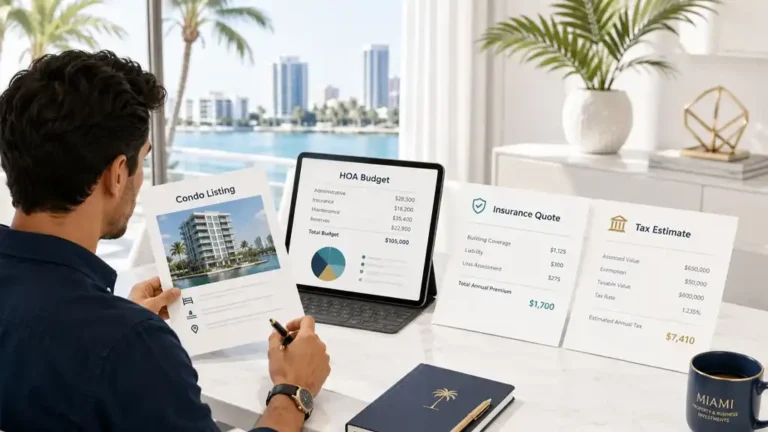
For condos, your approval depends on you and the building. Work with your agent to identify buildings known for healthy budgets, adequate reserves, proper insurance, and clean engineering/inspection histories.
Once under contract, you’ll receive U.S. mortgage disclosures, finalize supporting documents, and decide when to lock your rate. Align the lock period with appraisal and condo project review timelines for U.S. mortgage for Canadians in Florida.
Lenders evaluate the building against standards similar to Fannie Mae project criteria—insurance coverage, reserve funding, owner‑occupancy, delinquency levels, and absence of significant deferred maintenance. Buildings that fail are often labeled “non‑warrantable,” limiting conforming loan options.
Your property must appraise near the contract price. Underwriting clears remaining conditions related to income, assets, title, insurance, and the condo association (if applicable).
Finalize documents (in person or via approved remote methods), wire funds for your down payment and closing costs, and receive the keys once the deed and mortgage are recorded.
Each step supports your central objective: a clean, on‑time U.S. mortgage for Canadians in Florida close.
After the Surfside tragedy, Florida introduced significant reforms (including 2022–2023 legislation such as SB 4‑D and SB 154) to improve building safety and transparency. In practice, associations face stricter milestone inspections, more robust reserve studies, and clearer disclosure requirements. Many buildings have adjusted budgets and insurance coverage as a result.
What this means for Canadian buyers:
Understanding these rules upfront helps keep your U.S. mortgage for canadians in florida on track.
For a successful U.S. mortgage for Canadians in Florida, prioritize certainty of close and building financeability over the absolute lowest headline rate.
Plan a realistic budget that includes both one‑time and recurring items:
A holistic view protects your U.S. mortgage for canadians in florida from surprise cash‑flow shocks.

Choose a bank with cross‑border capabilities so payments, rental deposits, and currency conversion are seamless. Many Canadians find it helpful to centralize USD inflows and outflows with a single institution experienced in cross‑border needs (e.g., RBC Bank, TD, CIBC, BMO). A simple, repeatable CAD↔USD workflow makes tracking and tax reporting easier to finalize for U.S. mortgage for Canadians in Florida.
Best practices:
This operational backbone is what turns a theoretical U.S. mortgage for canadians in florida into a smooth, sustainable ownership experience.
ITIN: If you earn U.S. rental income or need to file a U.S. return, you’ll typically require an Individual Taxpayer Identification Number. Learn more at the IRS: ITIN overview.
Substantial Presence Test (SPT): Spending too many days in the U.S. can trigger U.S. tax residency. See the IRS guide: Substantial Presence Test.
Coordinate early with your accountant so your mortgage timeline, ownership structure, and tax elections support your goals.
Not necessarily. Cross‑border lenders can evaluate your Canadian credit and income.
Many lenders issue pre‑approvals that are valid around 90–120 days. Confirm specifics with your bank.
Conforming financing may be unavailable for U.S. mortgage for Canadians in Florida. Vet the building early for reserves, insurance, litigation, and maintenance status.
Recent legislation increased inspection and reserve requirements, which can affect fees and financing eligibility. Stronger buildings remain financeable; weaker ones may require specialty financing or cash.
Lender requirements vary for U.S. mortgage for Canadians in Florida. However, if you’ll report U.S. rental income, you typically need an ITIN to file a U.S. tax return.
Common timelines are 30–45 days for U.S. mortgage for Canadians in Florida, longer if condo review reveals issues that must be resolved.
Use it naturally in the title, introduction, a few headings, image ALT text, and conclusion. Prioritize readability over repetition.
Second‑Home Focus (Toronto couple): Pre‑approval with RBC → shortlist Brickell/Edgewater projects with strong reserves → conforming approval → 45‑day close.
Investor Focus (Vancouver professional): Compare RBC and CIBC U.S. → choose financeable buildings near demand drivers → factor higher down payment for investment use → lock and close.
Snowbird Focus (Montreal family): TD cross‑border banking/mortgage → pre‑screen insurance and inspection reports → confirm HOA rules for personal use → close pre‑winter.
Securing a U.S. mortgage for Canadians in Florida isn’t just a financial step, it’s a project that benefits from the right team. Success comes when you combine:
The key is to screen buildings first, then commit with confidence. With the right preparation, Miami’s closing table feels less like a leap and more like a carefully checked box on your investment journey.
Ready to take the next step? Contact our team today and let’s build your cross-border mortgage plan together.